
AI in Retail: Taking the Headache Out of Retail Pricing Strategy
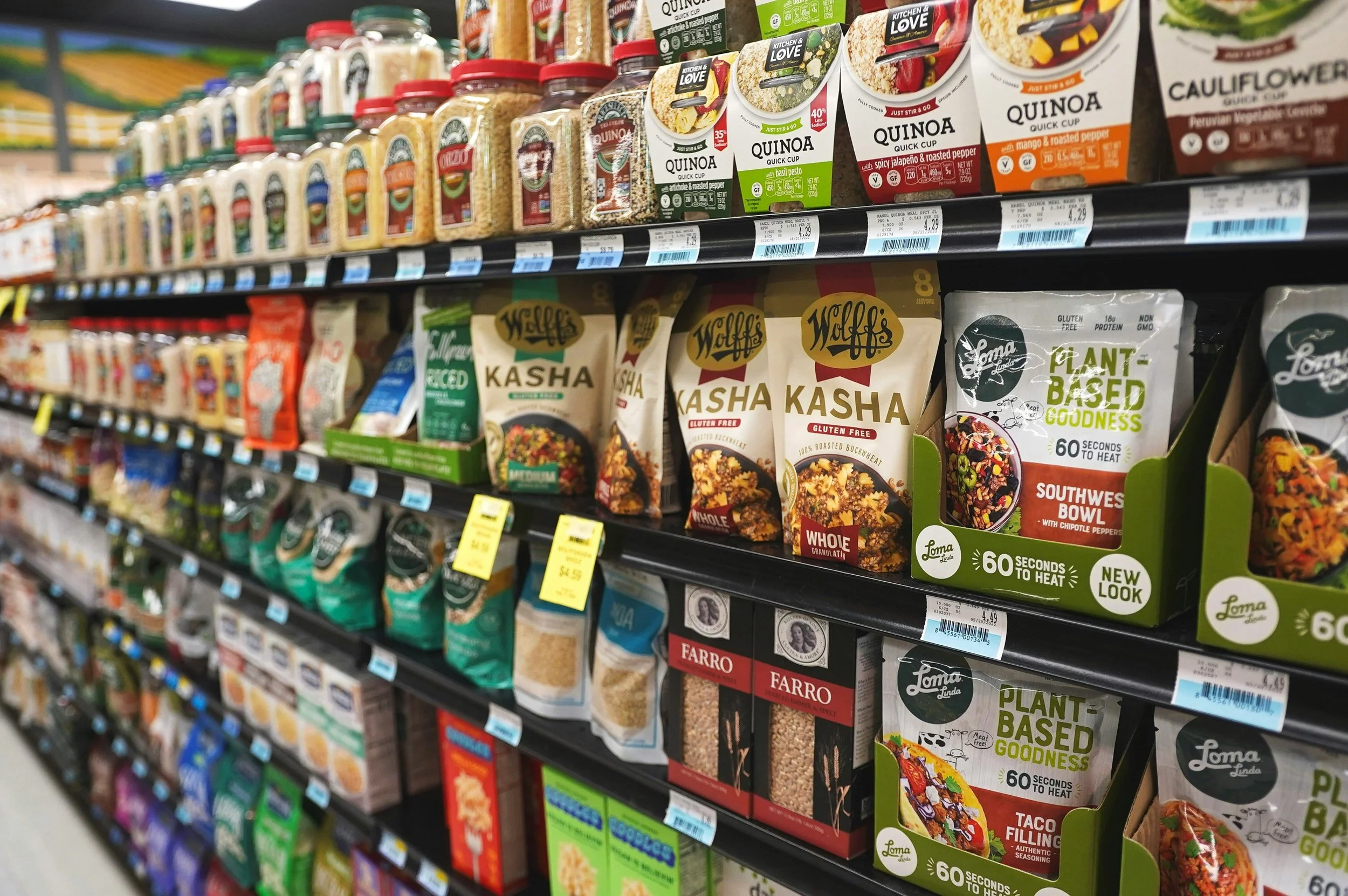
Determining a retail price strategy is perhaps one of the biggest challenges that teams face. It’s a science between balancing trends, competitive analysis, production costs, import costs, inventory costs, and profit margins. To miscalculate even slightly can have a major impact on profitability, also known as margin leakage.
To counteract this leakage, retail has taken a page from the agriculture industry and adopted a concept known as margin protection. These are systems that keep your company’s profits from shrinking despite market fluctuations.
Let’s dive into the retail industry’s recent application of artificial intelligence to establish price strategies. But first, why is the old way of things not working?
“Traditional methods, reliant on historical data and intuition, can no longer keep pace with the complexity of today’s market dynamics.”
Hypersonix, The Art of Margin Recovery: How AI Helps Retailers Reclaim Lost Profit
The Problem with the Cost-Plus Formula
Let’s go back to Marketing Strategy 101. One of the earliest formulas we learn is the Cost-Plus Formula:
Selling Price = (Total Production Cost per Unit) x (1 + Markup Percentage)
The issue with this formula is that it’s not adaptive to the rapid changes in buyer sentiment based on geopolitics, conflict, climate change, stressed supply chains, competitive e-comms space, and even the preferred time of day to shop.
This qualitative variable is difficult to measure. As the AI-firm, Relex, frames it, "Perceived product value, household incomes, and consumer confidence are all key drivers of demand and preference."
These daily (sometimes hourly) changes in buyer behavior are tough to keep up with. The traditional way to monitor pricing would be on a weekly basis with a spreadsheet. This is simply too slow and could cost retailers millions in overstock and negative customer perception regarding competitive pricing.
So, how does a retail professional stay ahead of this? With support from a silent co-pilot: AI-powered retail pricing.
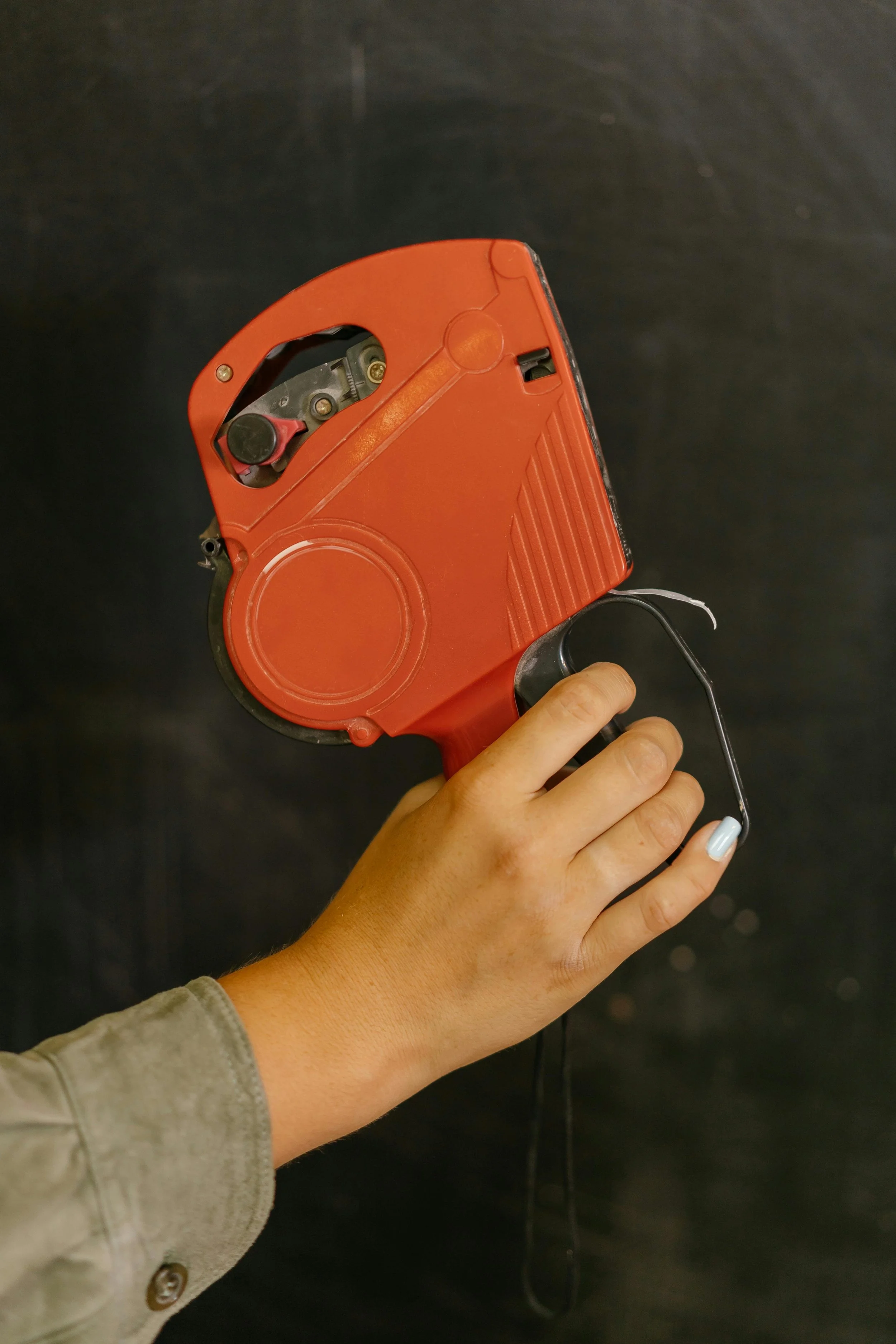
Photo by Mikhail Nilov
How Does Artificial Intelligence Optimize Retail Markup?
Agentic AI in retail is witnessing exponential growth. With its constant monitoring capabilities, it can optimize pricing across multiple variables in real-time.
AI can get so granular with its analysis that it optimizes pricing by the hour and day, cross referencing competitor pricing and changing customer behaviors. This is known as dynamic pricing.
This hyper-personalization to local markets is key to not only profitability but customer loyalty, as conversion rates can increase by up to 60%. Give the people what they want, when they want.
3 Ways AI Impacts Your Retail Pricing Strategy
1. Automatically Update Pricing
Walking down the aisles at your local grocery store, you’ve likely seen that many of the paper pricing slips have been replaced by electronic shelf labels. This is an example of technology that is being seamlessly integrated with AI.
Electronic shelf labels can automatically update prices without needing the old flow of price changes such as internal comms, print out labels, swap out old labels, and pray that you didn’t miss any.
AI price updates also support sales through optimizing for demand and competitors through constant monitoring. As per MSNBC affiliate WCNC, dynamic prices tend to benefit customers, leading to higher satisfaction while reducing margin leakage.
"A proactive approach to pricing is critical to addressing uncertain supply or demand situations and responding to increasing costs to maintain profitability,” says the team at Relex. “Dynamic pricing would also enable retailers to quickly pass on savings to their customers in an easing environment to retain a positive brand image."
"Those that have made this transition [to AI-powered pricing] have increased gross profit by 5% to 10% while also sustainably increasing revenue and improving customer value perception."
BCG, Overcoming Retail Complexity with AI-Powered Pricing
2. Inventory Management
Sitting on inventory is expensive. It’s expensive to the store. It takes up space that could be used for more profitable items. It costs you to markdown.
AI-powered pricing strategies help to sell inventory at a sustainable rate that meets actual demand, not estimated forecasts.
As mentioned in “How Pragmatic AI is Sparking a Quiet Revolution in Retail”, the Cost of Goods (COGs) is the total cost to produce, store, and sell a product. COGs increase the longer a product stays on the shelf, which is why markdowns burn so much.
Using an automated inventory management tool keeps you ahead of the guesswork, as it’s proactive to all the market and customer trends that you might not see. It also helps to optimize merchandising with heatmapping, as smart cameras and Wi-Fi signals aid in tracking shopping routes of customers.
3. Omnichannel Optimization
No one wants to overpromise and underdeliver. This is the reason why omnichannel optimization is essential.
Gone are the days of price matching just physical paper flyers. Retailers must be mindful of digital promotions across social media, email communications, and websites. If there are inconsistencies in the on-store experience versus digital promises, it can lead to customer dissatisfaction. Since 7/10 customers use multiple channels to shop, retail teams must pay attention to this. They must also ensure accuracy across price, promotion, and store inventory.
Why Does Continuous Experience Evaluation Matter?
When it comes to using the constant monitoring of Artificial Intelligence in retail, there’s no better complement than in-person Continuous Experience Evaluations. The human intelligence gained from this methodology validates and confirms other aspects of the retail business that simply cannot be done by an algorithm.
AI automates tasks that take time and energy away from larger business critical functions such as servicing people in real life, ensuring the retail floor is in order, managing staff, and other tasks that are pivotal to the day-to-day happenings of running a retail space.
We’ve all experienced having what feels like a thousand things on our plates. What if a major chunk of tasks could be instantly completed, giving your resources back to better support customer experience?

Photo by Boxed Water Is Better on Unsplash
Artificial Intelligence in Retail is Here to Stay
Retail has always been a testing ground for technology adoption. From label printers to POS systems, from store design to sizing tools, retail has never been one to shy away from tools that benefit the customer experience.
AI is just another tool that’s being adopted by the retail industry and if you’re not planning on adding it to your toolbox, your competitors will outpace you. Sears, Blockbuster, and Toys R Us are all examples of businesses that failed to adapt, contributing to their demises.
Looking to see how you can stay a step ahead? AI and continuous experience evaluations are the perfect pair for optimizing pricing, merchandizing, inventory management, and omnichannels.
Give us a ring and let’s see how we can get you up to speed.