
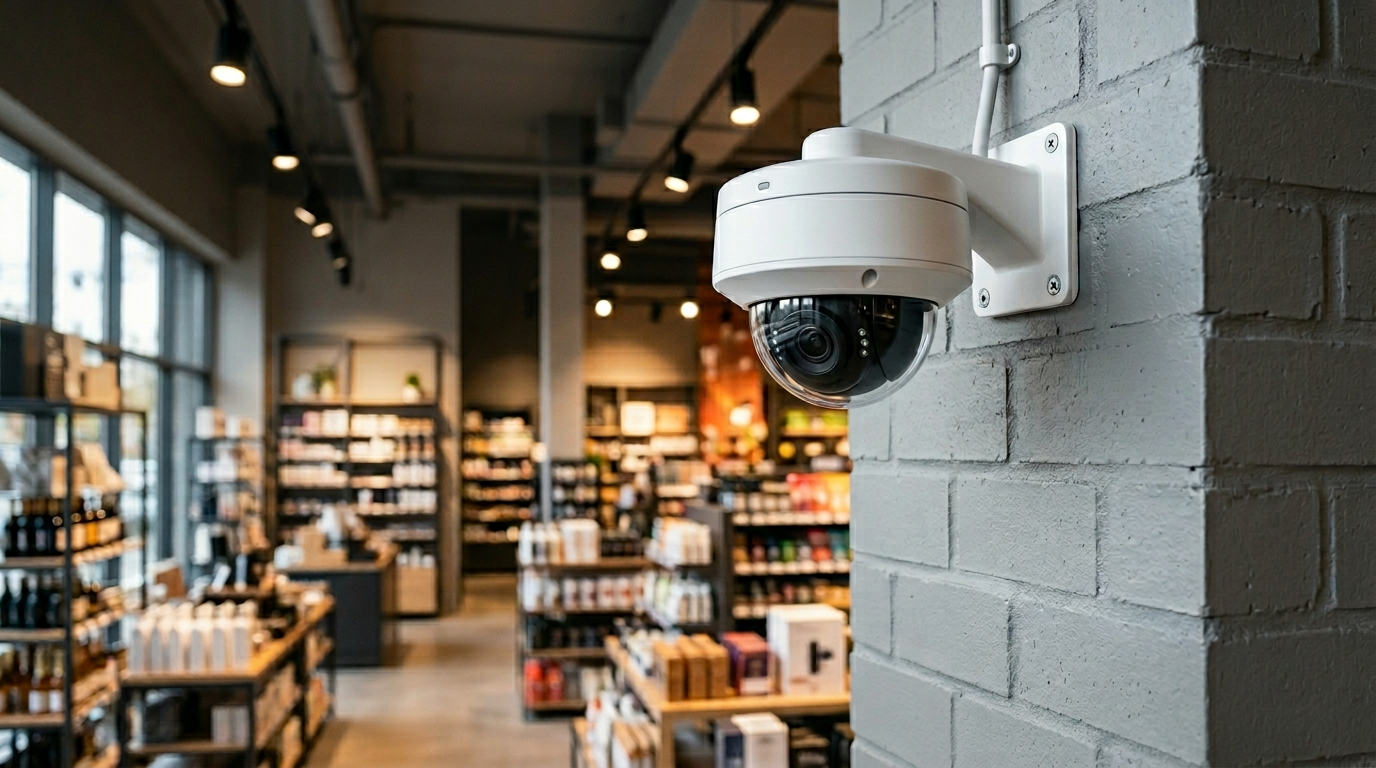
Retail Security & Loss Prevention Study
2026 Retail Security & Loss Prevention Study
Retailers are under unprecedented pressure to reduce theft—without driving customers away.
The 2026 Retail Security & Loss Prevention Study examines how today’s most common security measures are perceived by shoppers—and where retailers risk crossing the line between protection and profit loss.
Based on customer feedback, this study delivers a clear, customer-centered perspective on what works, what doesn’t, and what shoppers are willing to tolerate in the name of safety.
Security Is No Longer Just an Operational Issue
It’s a customer experience issue.
Retail theft continues to rise, pushing retailers to adopt increasingly visible—and sometimes intrusive—loss prevention measures. But from the customer’s point of view, these strategies don’t just deter theft—they shape trust, comfort, and purchasing behavior.
The 2026 Retail Security & Loss Prevention Study explores:
How security measures impact perceived safety
Where convenience breaks down
Which tactics increase trust—and which quietly erode it
This research helps retailers understand how far is too far, and how to strike the right balance between protection and profitability.
How Loss Prevention Strategies
Shape Customer Trust and the Shopping Experience

What Do Customers Really Think About Retail Security?
This study addresses critical questions retailers are grappling with today:
Do visible theft incidents change how often customers shop?
Do security guards make shoppers feel safer—or uneasy?
How do locked merchandise displays and ringing for assistance affect purchasing decisions?
Does increased security build trust, or signal that a store is unsafe?
What security measures matter most to customers—and which generate frustration?
The answers may challenge long-held assumptions.


Competitor IQ delivers:
Ground-Level Insights: Data collected from real consumer interactions, competitor evaluations, and thousands of surveys—not secondhand anecdotes.
Actionable Intelligence: Insights tailored to execution, providing a direct roadmap to outpace competitors.
Competitive Context: Unlike broad market analyses, our focus is on what your competitors are doing right now—and how you can do it better.

Access the Report to Inform Your Next Move
If you’re interested in getting a copy of the report, fill out the form below.
-
Customers are not just passive observers of theft—they actively factor it into where and how they shop. This study shows how theft visibility affects store choice, visit frequency, and overall comfort while shopping.
-
Security is a meaningful factor in customers’ perception of a store. However, perceived safety does not automatically increase loyalty—especially when protective measures create inconvenience or discomfort.
-
Loss prevention strategies often introduce friction. The study highlights where customers draw the line—and when those trade-offs start to impact purchasing behavior.
-
Some security measures increase confidence. Others subtly signal risk, disorder, or distrust. Understanding this distinction is critical to protecting both merchandise and brand reputation.
What’s Inside the Study?

Who Should Read This Study
Built for
Retail Decision-Makers
This study is essential reading for:
Retail executives and operations leaders
Loss prevention and security teams
Customer experience and store design leaders
Merchandising and store planning teams
Anyone responsible for balancing shrink reduction with customer satisfaction will benefit from these insights.
